Motorized
Roller Shutters
Lift heavy curtains at the push of a button. New electric shutters and conversions of suitable manual ones, with remotes and safety stops.
Lift Heavy Shutters
Without the Strain
Pulling a wide steel curtain by hand twice a day wears out staff and springs alike. A correctly sized motor takes that load and makes opening time quicker and safer.
We match the motor to the weight and size of the curtain, set the upper and lower limits precisely and add the controls that suit your premises.
Choose the motor for the curtain you have, not the cheapest one on the shelf.
The Mitmarch team
Signs Your Shutter
Is Ready for a Motor
These everyday situations usually justify moving from hand-lifted operation to a properly sized electric motor.
- !Staff struggle to lift it. Heavy curtains strain backs and shoulders every single day.
- !The shutter is wider than a car. Large curtains become difficult to raise evenly by hand.
- !You open and close many times daily. Frequent cycles are faster and gentler with a motor.
- !Springs keep snapping. Hand-lifting a heavy curtain overloads the spring assembly.
- !You want to stay in the car. Remote control is handy for car porches and loading bays.
- !Security after hours matters. A motor with a brake holds the curtain firmly when closed.
Wondering if your existing shutter can take a motor? Send us its size and a photo.
What a Motorized
Shutter Setup Covers
Each part of an electric shutter is chosen and fitted to work safely with the others, from motor to switch.
Motor selection
Tubular or chain-drive motor rated for the curtain weight.
Remote and wall switch
Handheld remotes plus a fixed up-stop-down switch.
Limit setting
Upper and lower stops tuned so the curtain never over-travels.
Manual override
Chain or crank release for use during a power cut.
Control box and wiring
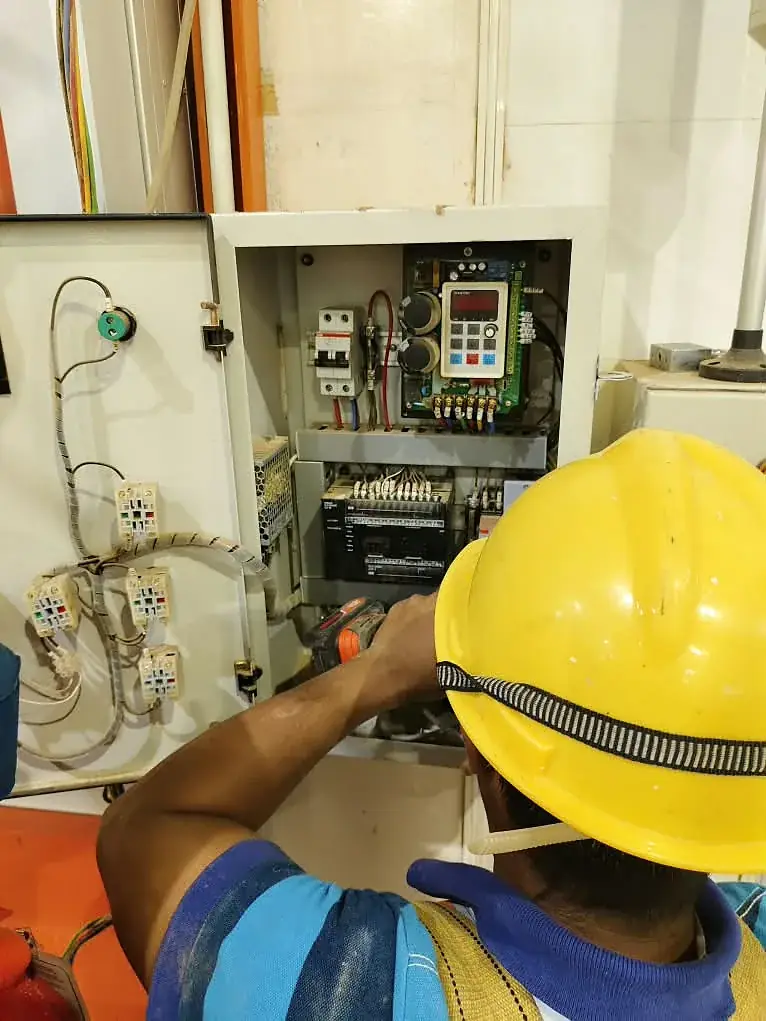
Neat wiring with a protected control unit.
Safety additions
Optional photo-eye sensors or bottom-edge safety strips.
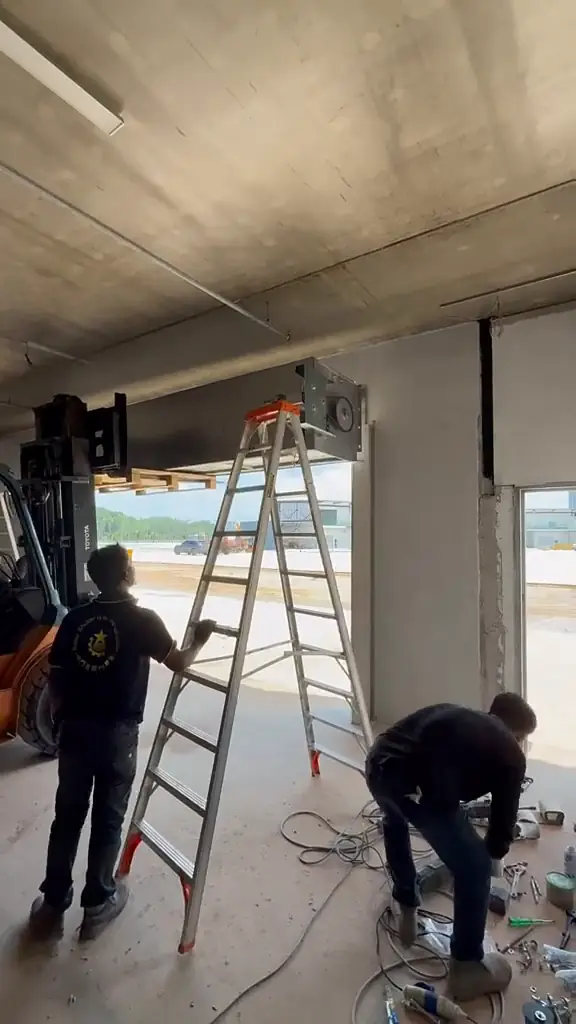
Sizing the Motor
An electric roller shutter is only as good as the match between motor and curtain. We estimate the curtain weight from its width, height and slat gauge, then choose a tubular or chain-drive motor with comfortable headroom above that load. A correctly sized motor runs cooler, lasts longer and copes with the daily cycles of a busy shop or warehouse.
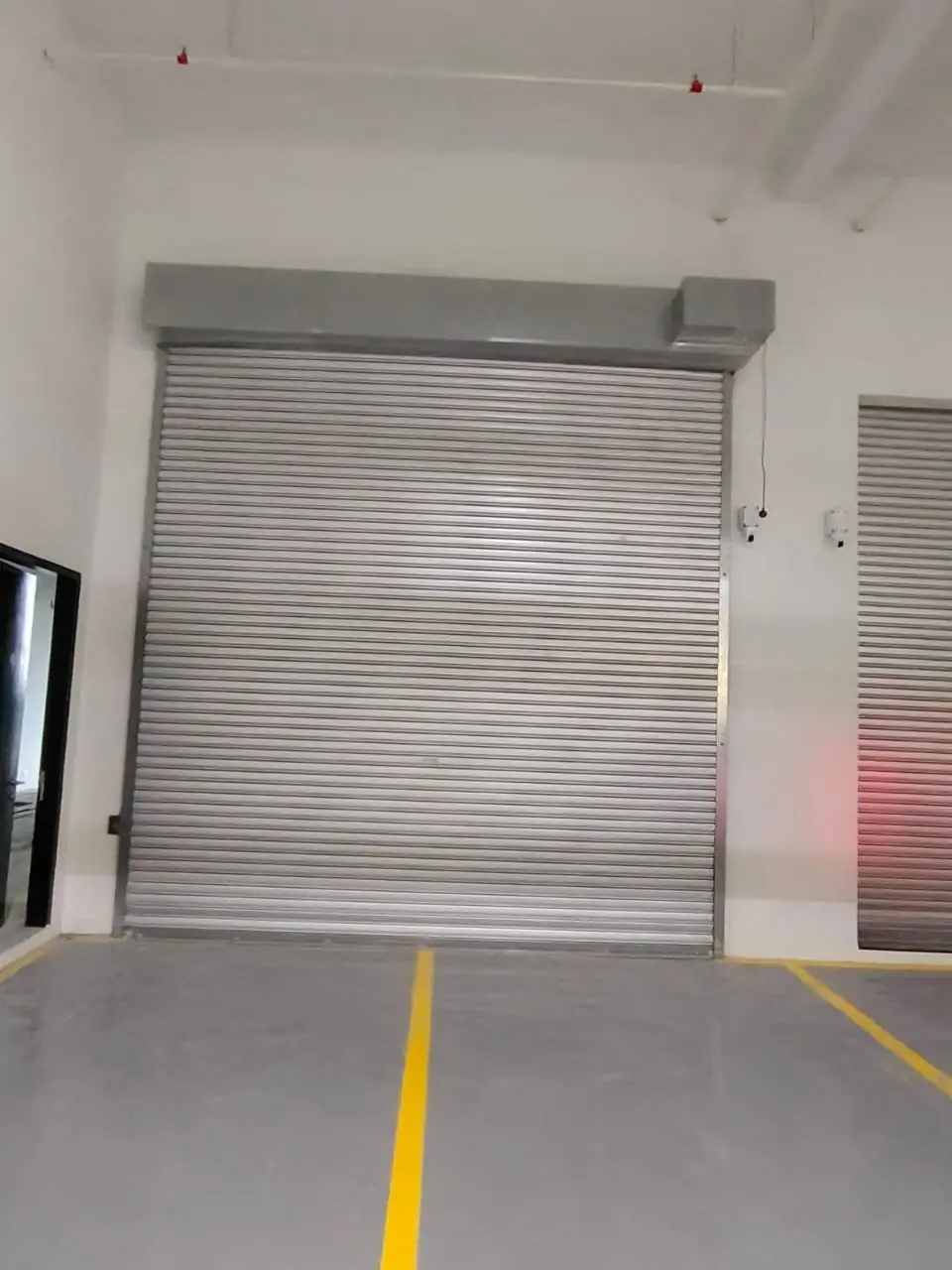
Controls That Suit You
Most customers want a wall switch inside the premises plus handheld remotes for staff or family. Some add a key switch outside, a timer or a photo-eye sensor that stops the curtain if something is underneath. Each control is wired back to a protected control box, and every remote is paired and tested before the job is signed off.
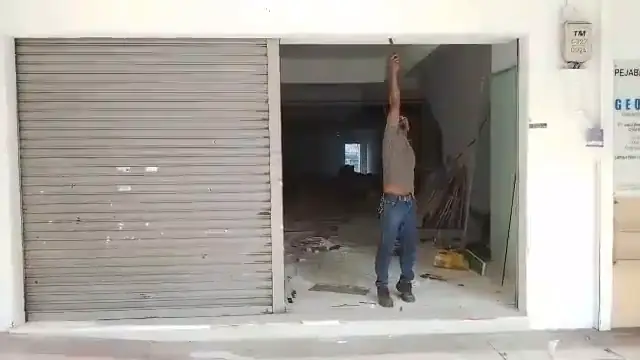
Converting a Manual Shutter
Many manual shutters can be motorized without replacing the curtain. We check the drum, axle and brackets first, because a motor will not cure a bent shaft or worn bearings. If those parts are healthy, the motor is fitted to the existing drum, the springs are adjusted or removed as the motor type requires, and a manual override is always kept for power cuts.
Electric Shutter
Motors at Work
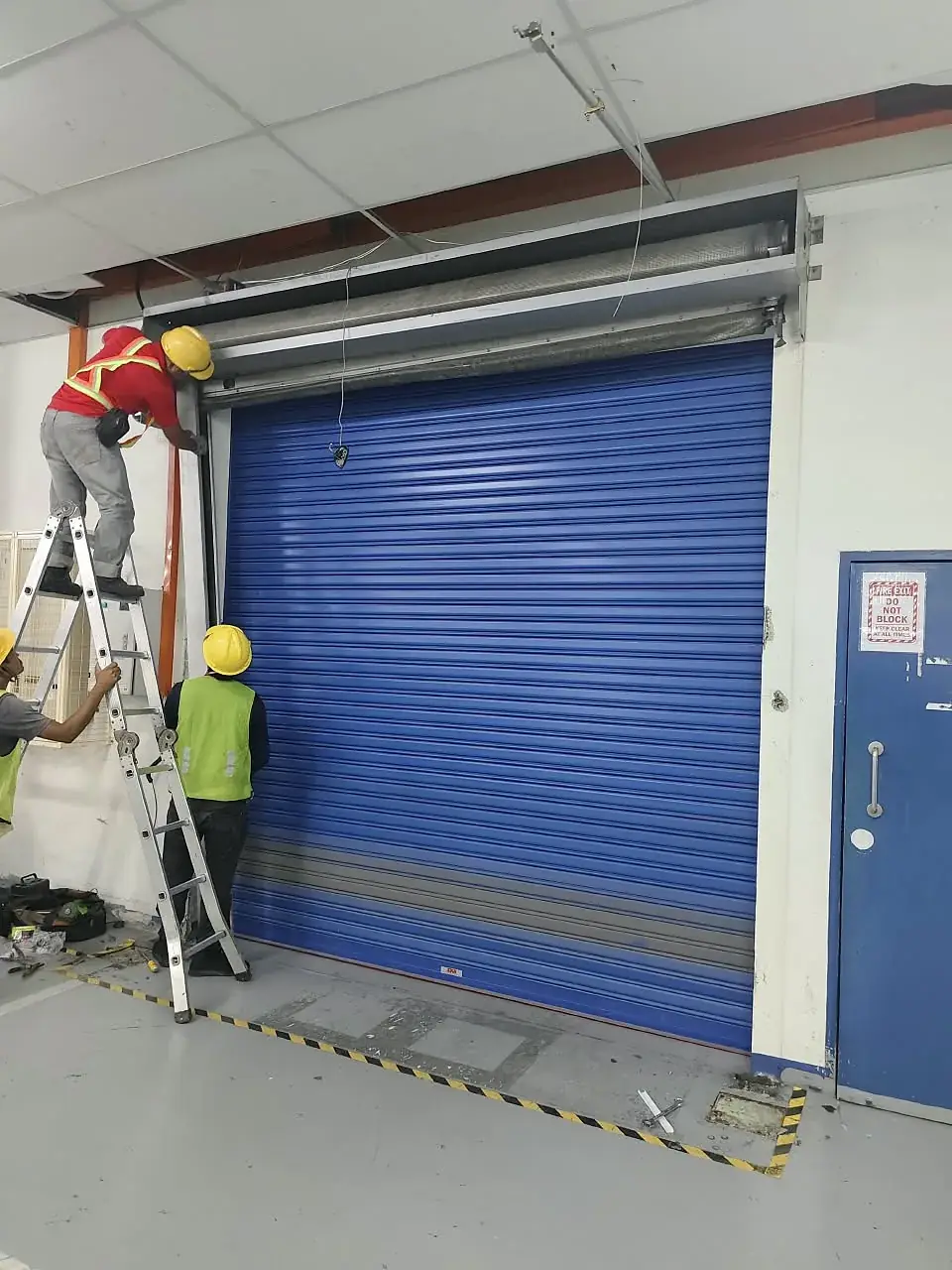
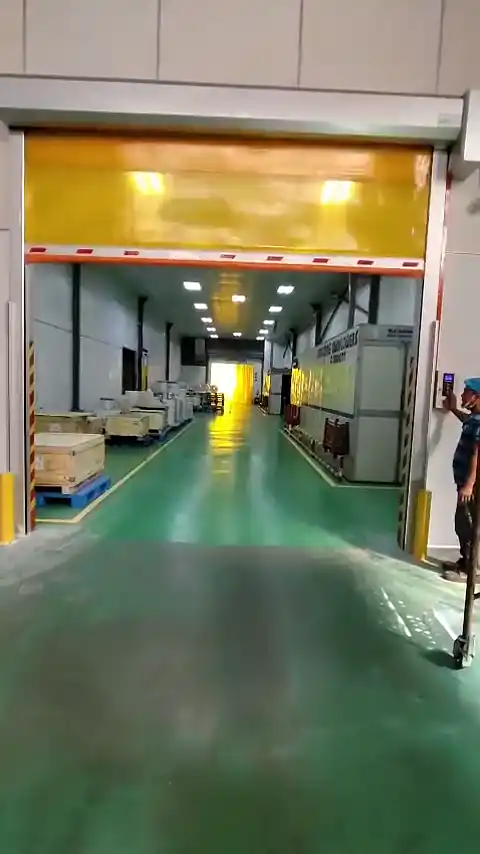
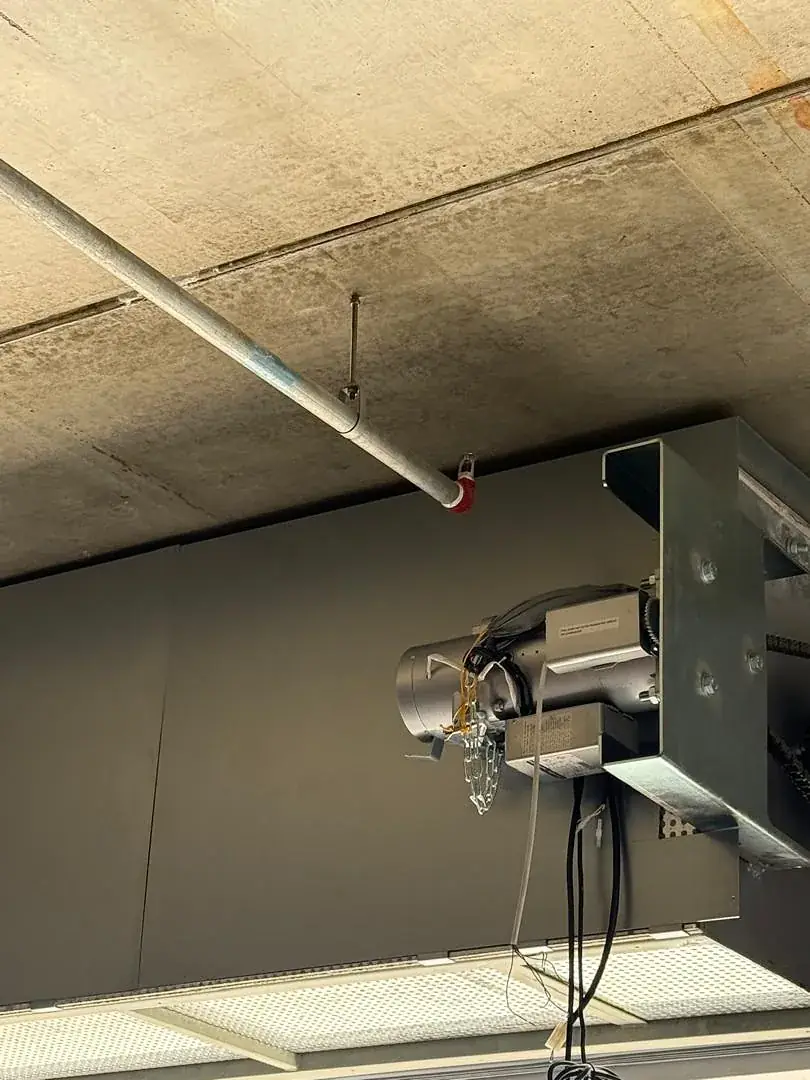
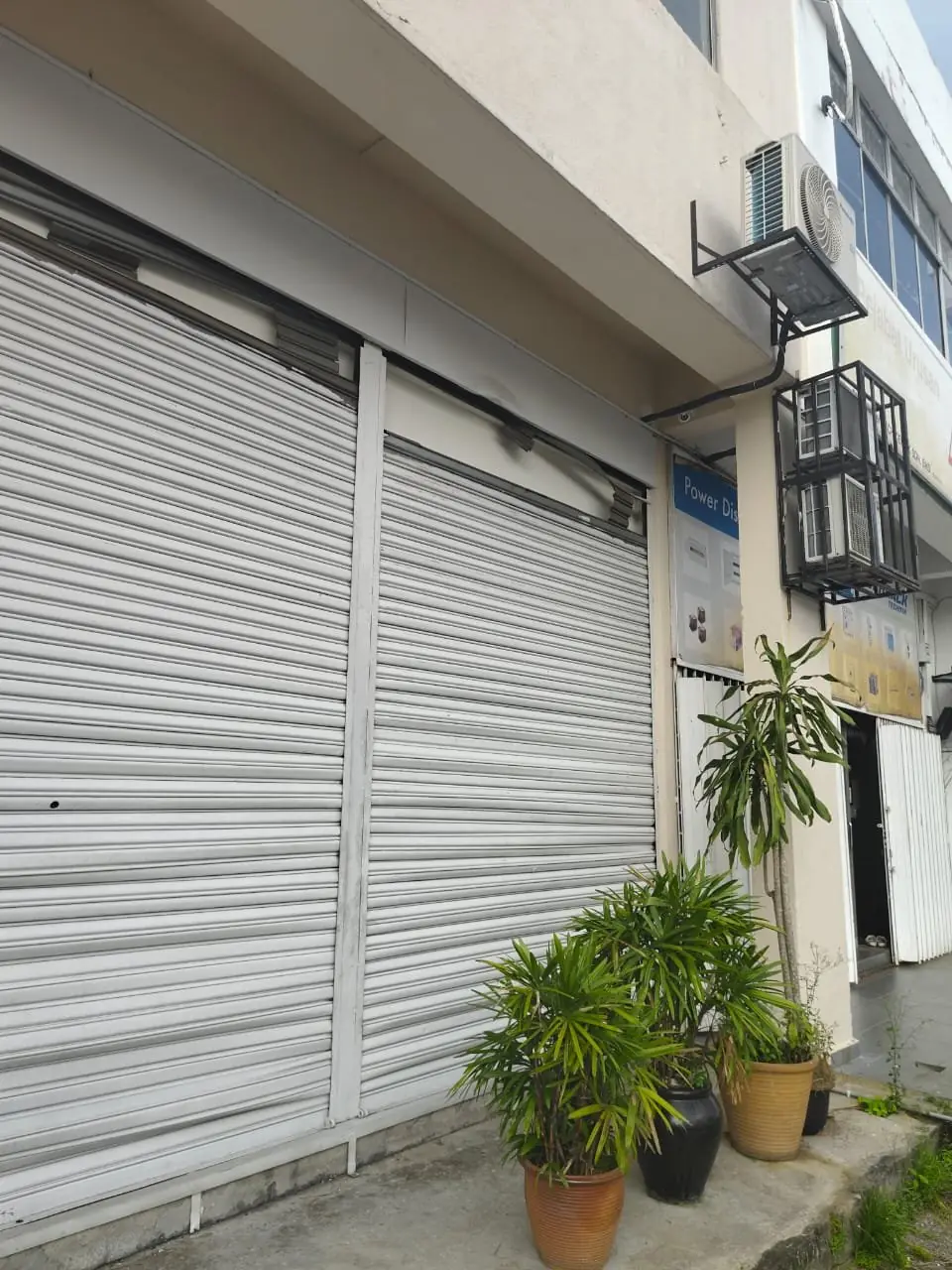
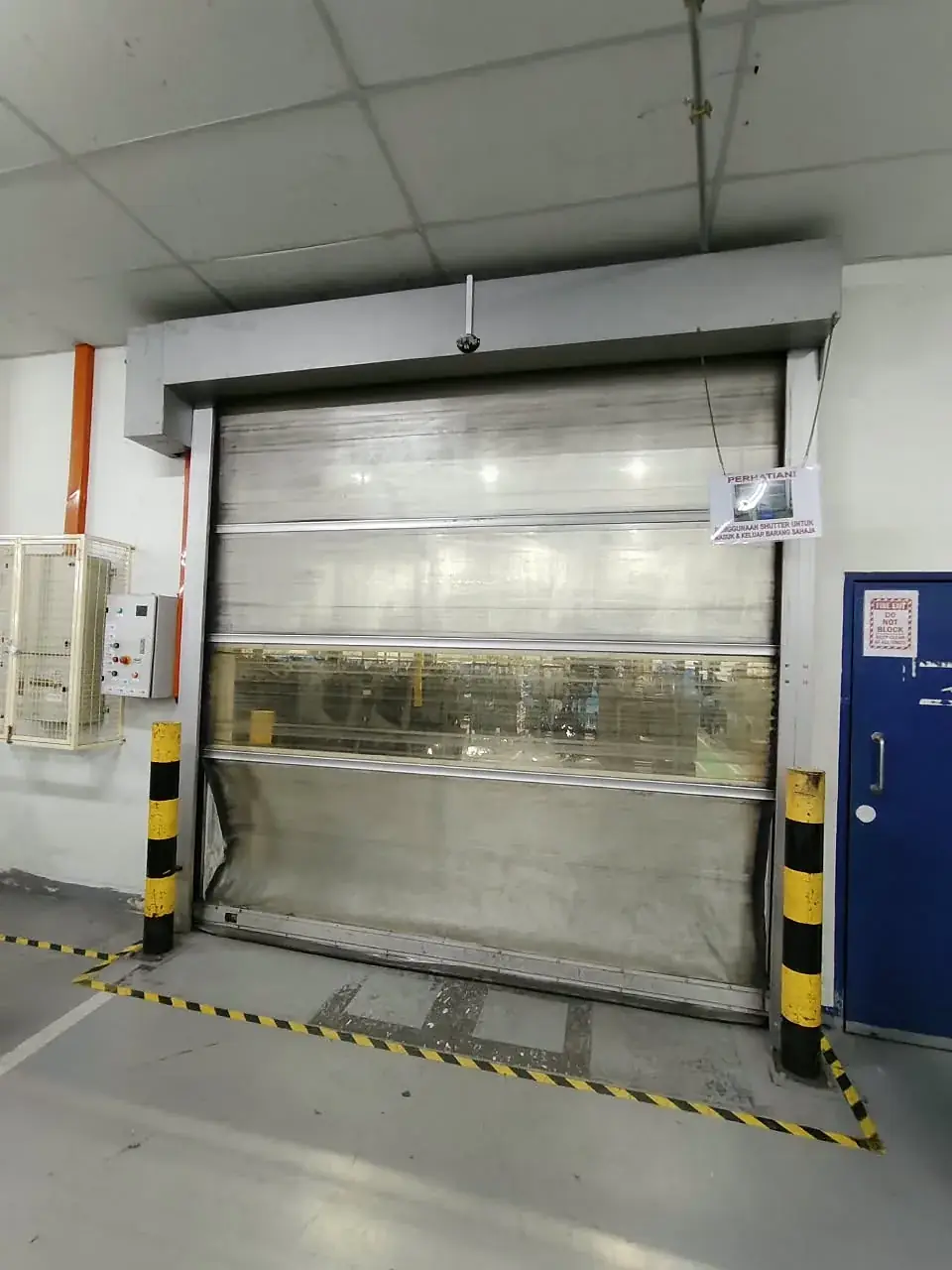
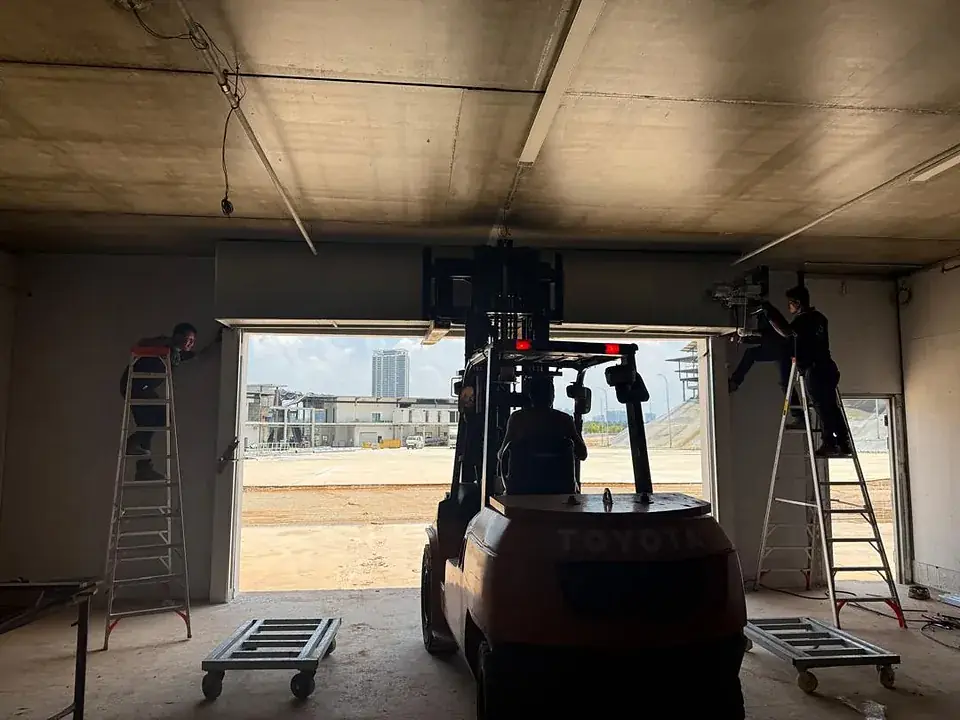
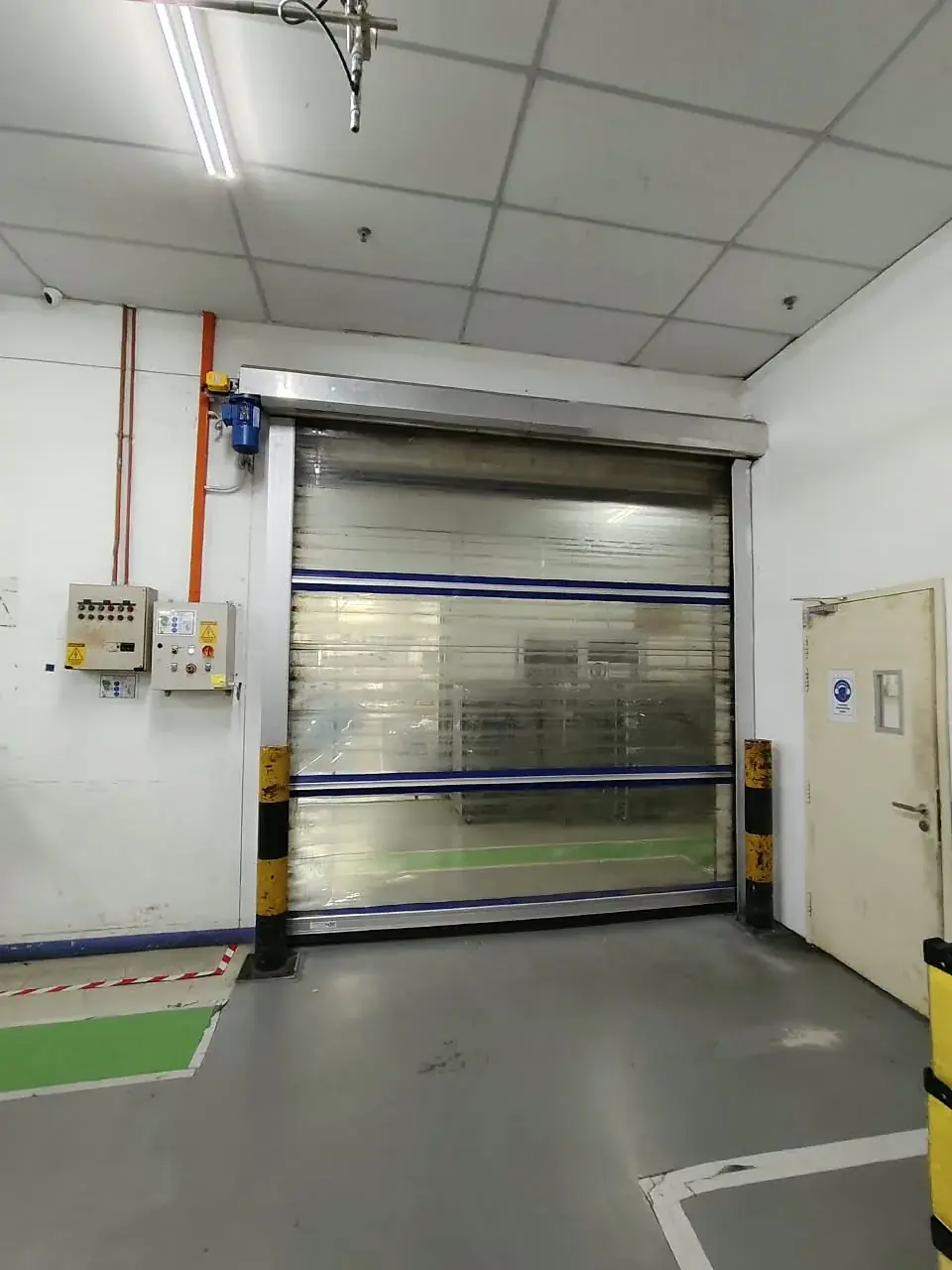
Motor units, control panels and electric shutters in daily use at shops, warehouses and production sites.
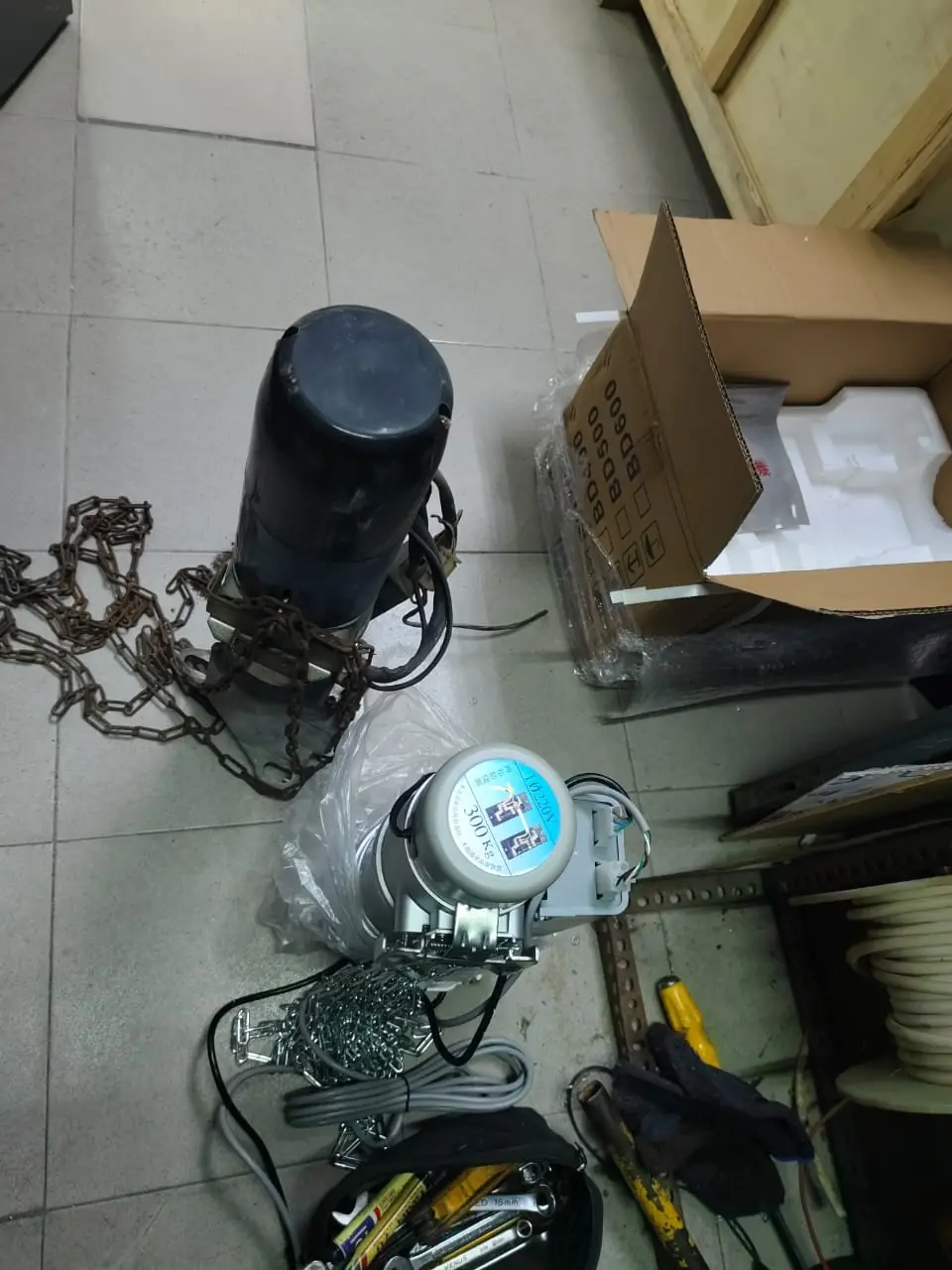
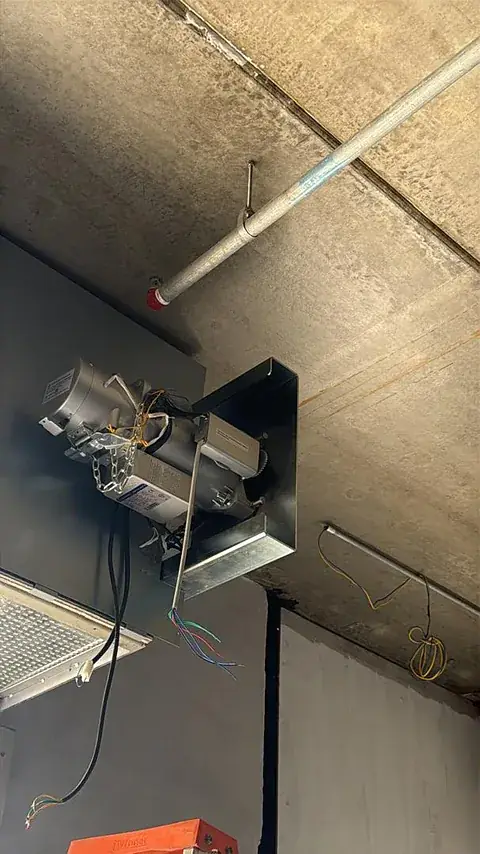
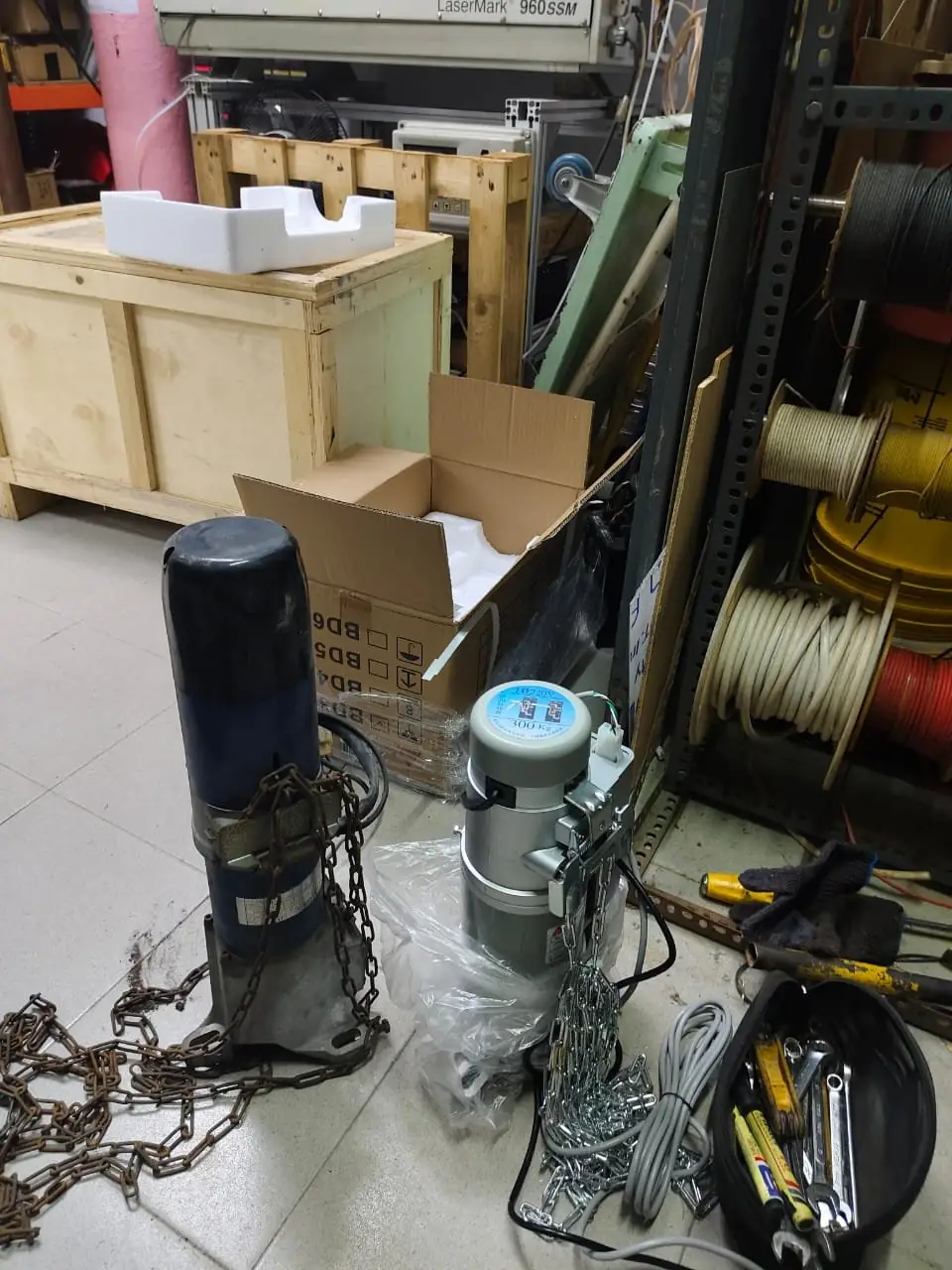
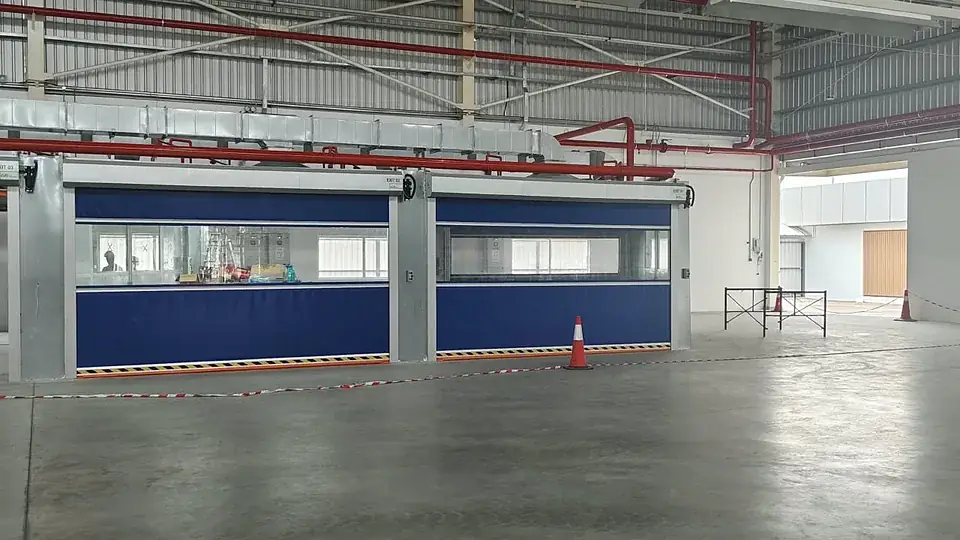
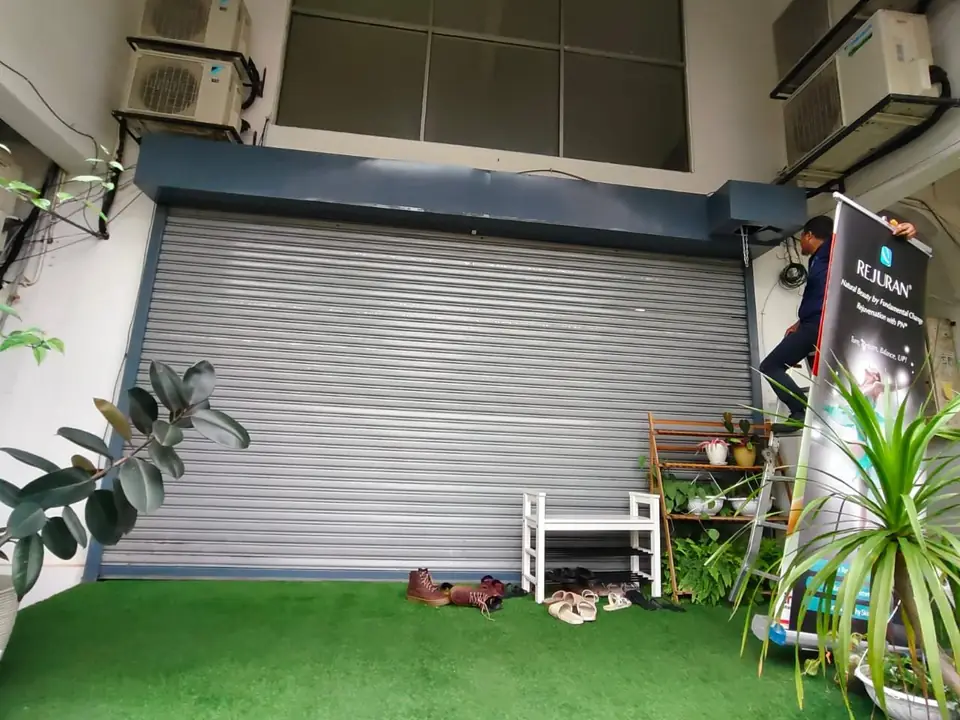
Job-site clips
Tubular Motor or
Chain-Drive Motor?
Both motor types are common. The right choice depends on the curtain weight and the space above the opening.
| Point | Tubular motor | Chain-drive motor |
|---|---|---|
| Where it sits | Hidden inside the shutter drum. | Mounted beside the drum and linked by a chain. |
| Typical use | Light to medium shop and home shutters. | Heavier commercial and industrial curtains. |
| Appearance | Very tidy with nothing visible outside the hood. | Motor body is visible next to the coil. |
| Servicing | Drum may need opening for replacement. | Motor can usually be reached and swapped directly. |
| Headroom | Fits where side space is tight. | Needs extra room at one side of the drum. |
Years of Work With
Electric Shutters
Electric operation sits at the heart of our work, alongside motor replacement and routine maintenance visits.

Year incorporated
Years in business
Services offered
Areas covered
From Manual Pull to
Push-Button Control
How we add a motor to a brand-new shutter or convert a suitable manual shutter that you already own today.
- 1
Check the curtain
We confirm size, weight, drum condition and the space available for a motor.
- 2
Recommend a motor
You receive a quotation naming the motor type, controls and any extras.
- 3
Install and wire
The motor is mounted, the controls are wired and the limits are set.
- 4
Teach and test
Remotes are paired and every member of staff is shown the override.
Services Connected
to Shutter Motors
Motors need occasional care and older units eventually need swapping. These related pages cover both needs.
Motorized Roller
Shutter Questions
Common questions about converting to electric operation, from power cuts and remotes to noise and sensors.
Is my manual shutter suitable for a motor?
Most are, provided the drum is in good condition and there is enough space for the motor. We confirm this during the site check.
What happens during a power failure?
Every motor we fit has a manual release, either a chain or a crank, so the shutter can still be opened and closed.
How many remotes do I get?
The number of remotes is listed in the quotation. Extra remotes can be paired later if more staff need access.
Is a motorized shutter noisy?
A well-fitted motor runs with a steady hum. Grinding or knocking usually signals misalignment that should be checked.
Can I add a safety sensor?
Yes. Photo-eye sensors or safety edges can stop the curtain if something is underneath it.
Will the springs be removed?
It depends on the motor type. Some systems keep balancing springs, others replace them. We explain which applies to your shutter.
Ask About a Motorized
Roller Shutter
Tell us the shutter width and height if you know them, and we will suggest a motor rated for that curtain.